
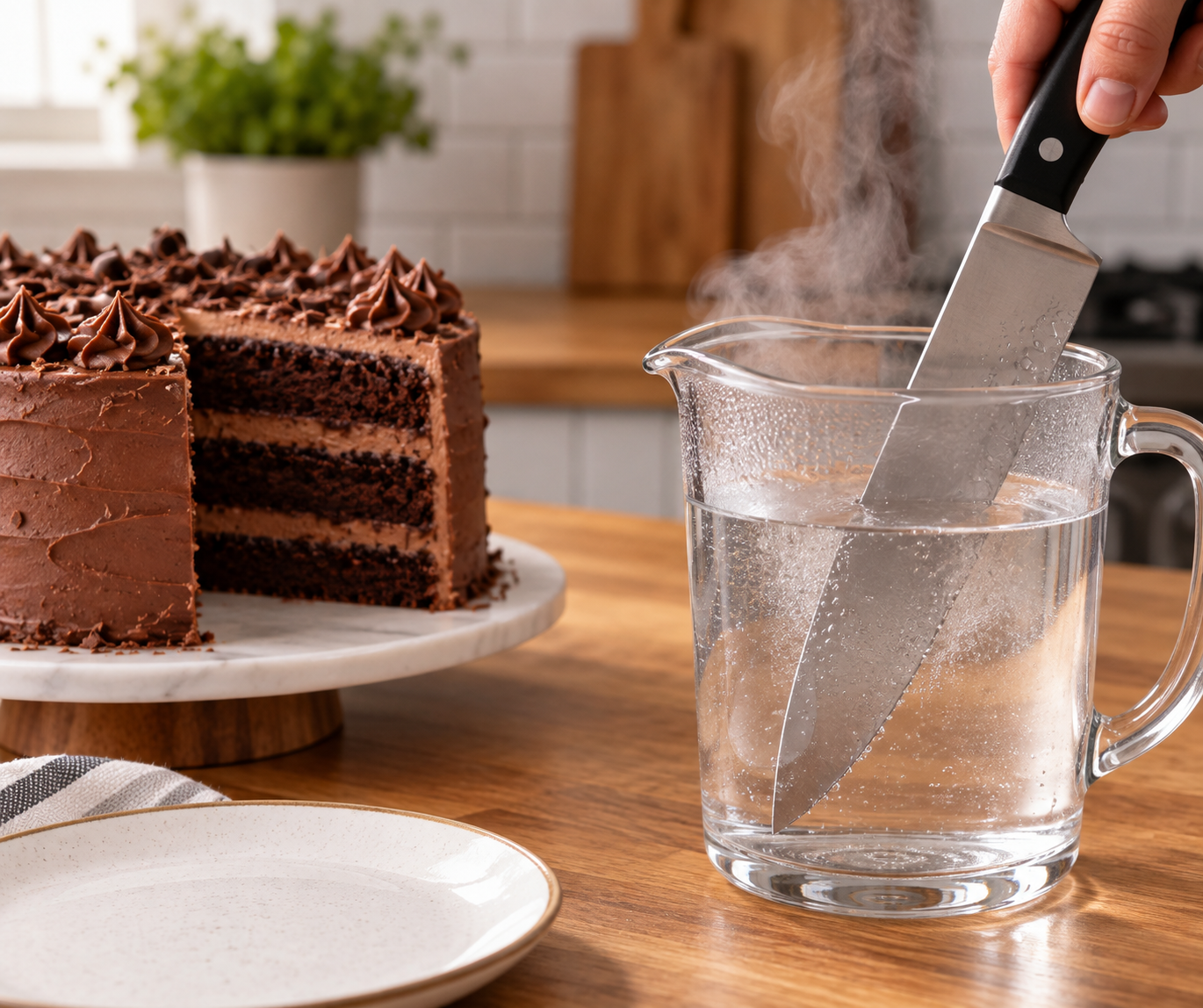
How to Keep Your Cake Fresh for Days
Few things rival the quiet joy of a quiet morning after a celebration: opening the fridge, finding a slice of artisanal cake, and brewing a fresh espresso.
Yet, too often, that second-day slice disappoints. The crumb turns dry and crumbly, the frosting takes on refrigerator odors, and the filling loses its lift.
Because our cakes are baked without industrial humectants, artificial preservatives, or chemical shelf-stabilizers, keeping them pristine requires proper post-party handling. Here is how professional pastry kitchens store, cut, and preserve cakes so that day four tastes identical to day one.
1. The Open Crumb Problem (Protecting the Cut Surface)
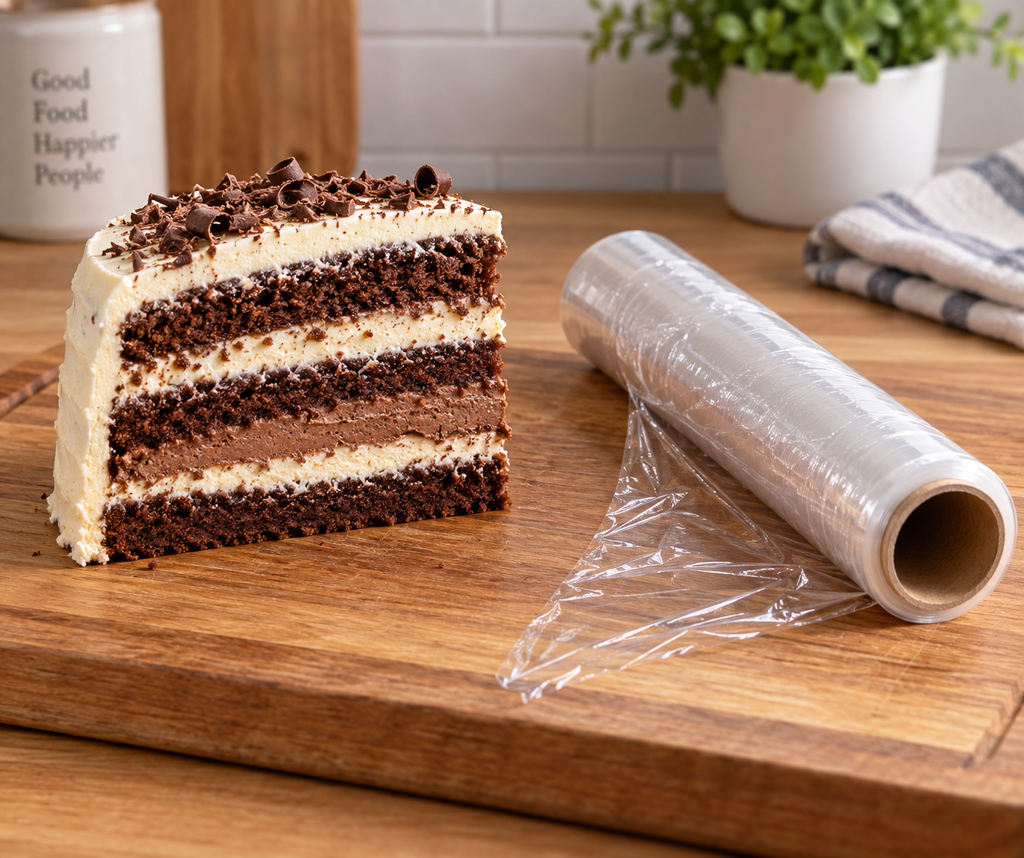
The moment you cut into a cake, you expose the interior crumb to ambient air. Cold refrigerator air is notoriously dry; it draws moisture out of delicate sponge within hours.
- The Plastic Wrap Barrier: Never store a sliced cake uncovered. Press a sheet of food-grade plastic wrap directly against the exposed cut face of the cake, smoothing it flat so air cannot reach the sponge. The frosting-covered exterior will naturally protect the rest of the cake.
- The Parchment Method: If your cake has delicate fillings that cling to plastic, cut a piece of baking parchment exactly to the shape of the cut cross-section and press it gently against the exposed cake crumb before boxing.
2. The Golden Temperature Rule: Room Temp vs. Chilled
One of the most frequent mistakes people make is serving cake straight from the refrigerator.
- Cold Solidifies High-End Fats: Because we craft our buttercreams and sponges with 84% butterfat European butter, chilling turns the frosting firm like a cold stick of butter. Cold dulls your taste receptors, completely masking vanilla and cacao aromatics.
- The 45-Minute Window: Always pull your cake or leftover slices out of the refrigerator 30 to 45 minutes before eating. Allow the butter to return to its natural melting point (around 70°F–72°F ambient room temperature). The crumb will instantly regain its soft bounce, and the buttercream will melt on your tongue rather than feeling waxy.
Pro Tip from Marie’s Kitchen:
Never store a luxury cake near onions, garlic, or savory leftovers. Real dairy fat acts like an odor sponge. If your refrigerator holds pungent savory dishes, place your boxed cake inside a large, unscented airtight plastic container or seal the cardboard bakery box with cling film.
3. Freezing Leftover Slices for the Long Haul
If you ordered a multi-tier centerpiece for a milestone birthday or wedding and have half a tier remaining, do not let it linger on the counter all week. Freeze it at peak freshness.
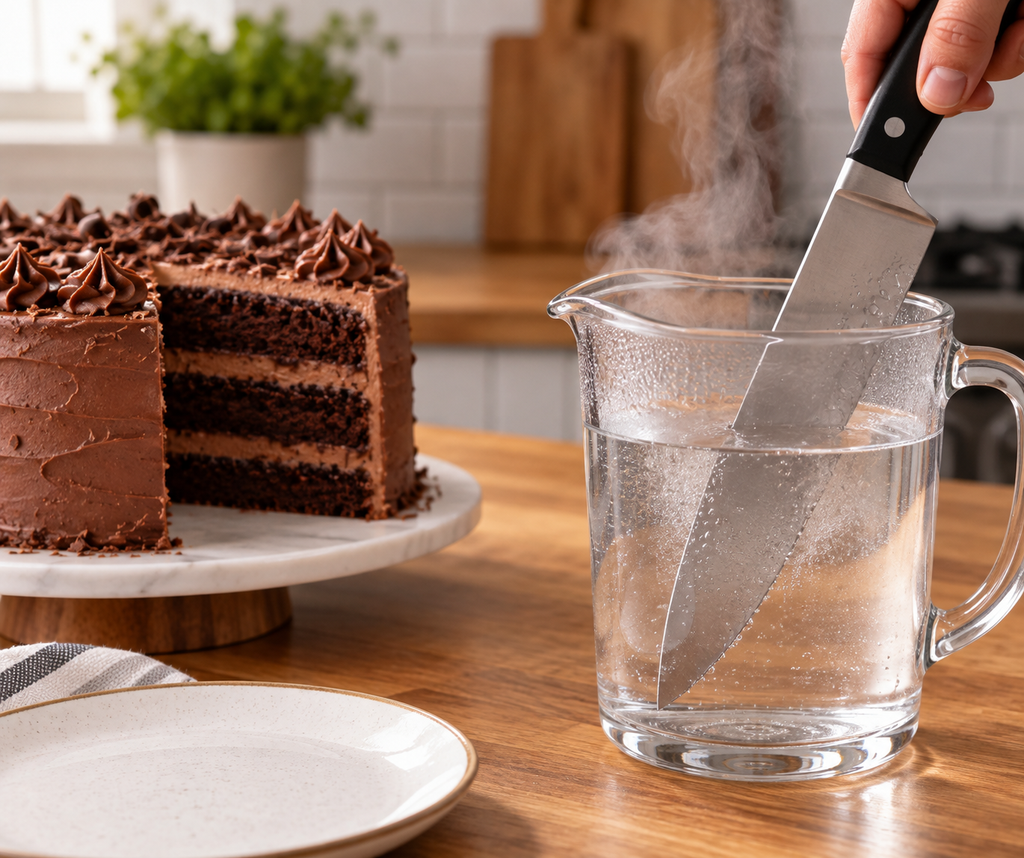
- Flash-Freeze First: Place individual uncovered slices on a parchment-lined sheet pan in the freezer for 60 minutes until the buttercream is frozen solid.
- Double-Wrap: Once the exterior is rock hard, wrap each slice tightly in two layers of plastic wrap, followed by a layer of aluminum foil to eliminate freezer burn.
- Thawing: Transfer the wrapped slice to the refrigerator 12 hours before serving, then bring it to room temperature on the kitchen counter for 30 minutes before unwrapping. It will taste as fresh as the day it was baked.
Baked for Memories That Linger
A well-crafted cake is an investment in a memorable gathering, and that experience shouldn’t end when the party wraps up. With just a few simple storage habits, you can stretch that celebration across the entire week.
Looking to celebrate an upcoming milestone? Browse our artisanal menu, build your own selection with our Make Your Own Box service, or contact our team to start your next Custom Order.